


Hosted By: Reuters Events
Dates: June 26, 2024 - June 27, 2024
Conferences
Exhibitions & Trade Shows

In every processing facility, you have feedstock and product that need to get from point A to point B. Piping is the vehicle that moves these liquids and gasses through a refinery or chemical processing plant. They can be made of steel, cast iron, copper, plastic, or other materials depending on the environment and materials being transported. Segments of pipe are often joined together using either bolted flanges or by welding pipes together. The major difference between piping and pipelines is that pipelines transport materials long distances between separate facilities or for distribution. Piping on the other hand is made to transport gasses and fluids, such as water or chemicals, within a single facility.[1]
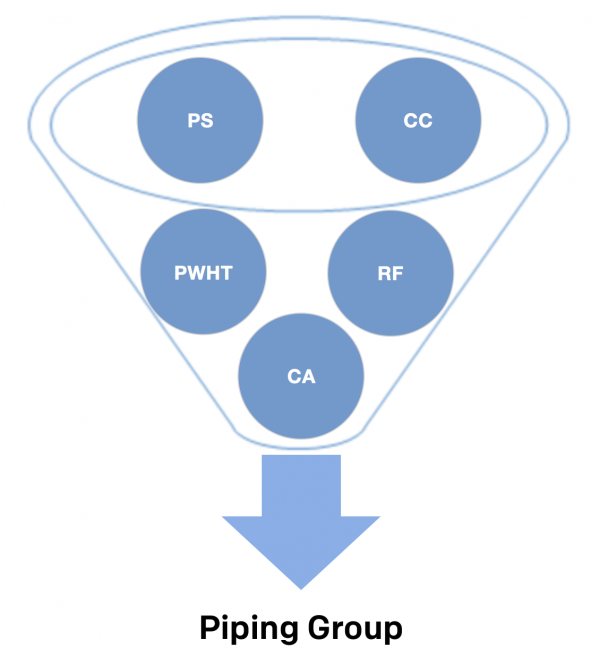
There are several standards and recommended practices that apply to piping systems, including but not limited to:
We welcome updates to this Integripedia definition from the Inspectioneering community. Click the link below to submit any recommended changes for Inspectioneering's team of editors to review.
Contribute to Definition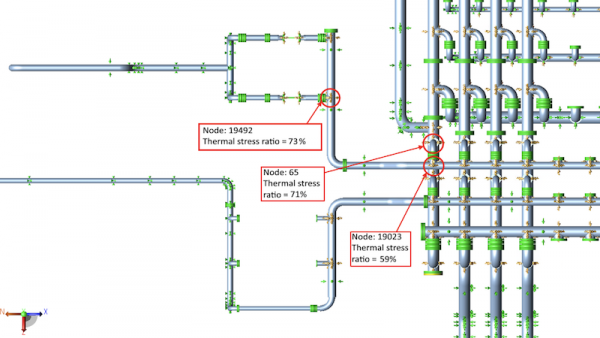
The consequences of neglecting pipe support inspections can be dire. This article takes a look at why these inspections are crucial.

A discussion of key elements of piping analysis software for those considering its use in fitness-for-service assessments.
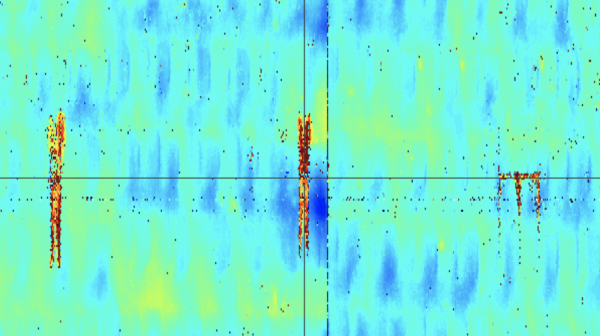
This article discusses how in-line inspection (ILI) can detect corrosion under insulation (CUI) in pipelines, emphasizing thorough, safe examination.
The API 579 Committee has been steadily working for 10 years on a procedure to evaluate vibration in piping systems. That long work is about to pay off.
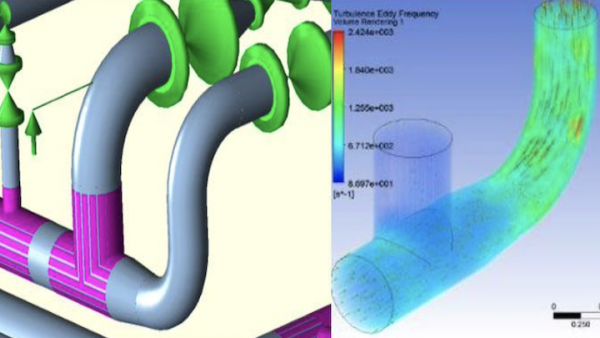
The specialized predictive techniques used in assessing the vibration behavior observed and recorded on a pre-flash column overhead piping system.
Equity Engineering Practices® (EEPs) are a collection of design and maintenance focused corporate standards that include >850 engineering standards, and >300 piping classes. Enhance your mechanical integrity programs, improve equipment...
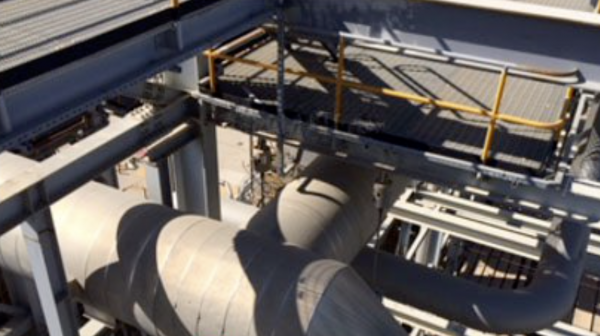
An assessment of the vibration behavior observed and recorded on a pre-flash column overhead piping system and the strategic methodologies used based on a proactive troubleshooting technique.
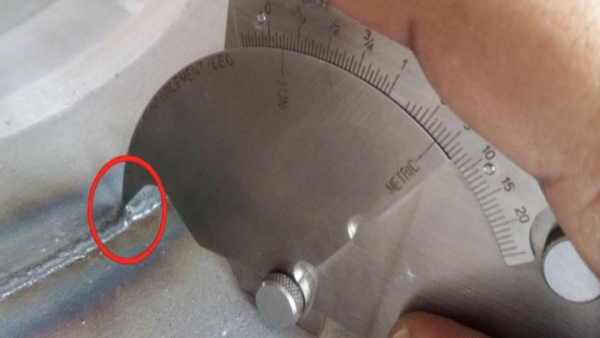
A case study of advanced digital technology was assessed to resolve the challenges of internal coating of small diameter pipes by accurately and rapidly measuring pipe-end dimensions, and then matching end-to-end pipes with software-based analysis.
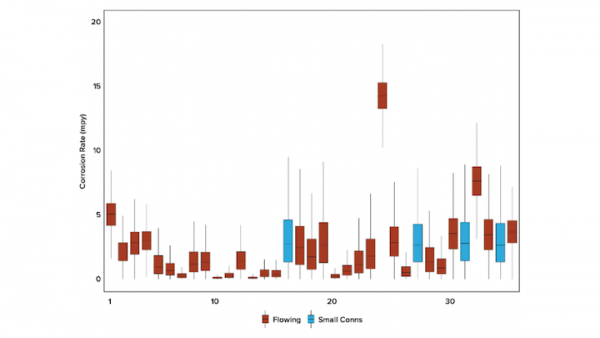
Applying advanced statistical analysis methods will provide owner/users with a RAGAGEP-accepted method for analyzing corrosion monitoring data while also integrating the latest improvements in inspection capabilities.
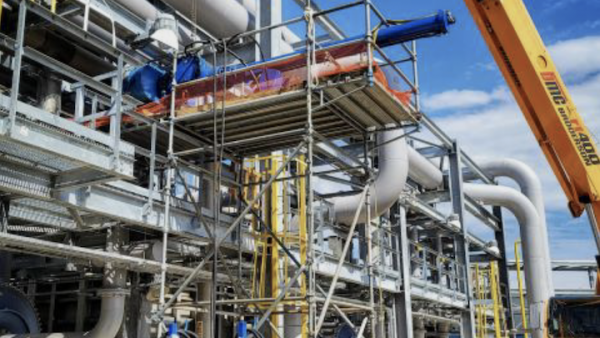
Traditional line interventions either utilize a single isolation point or are utilized in conjunction with bypass lines. A double block and bleed (DBB) replaces the need for using three separate line interventions to perform the same function.
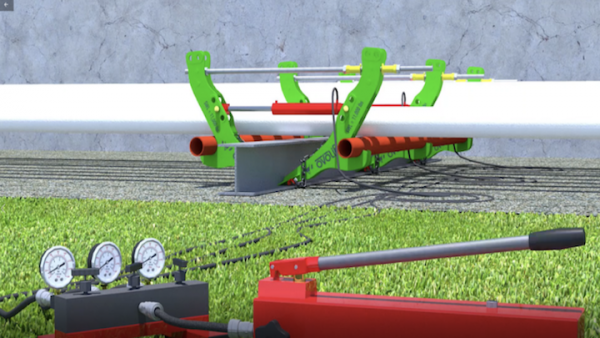
Establishing a proactive touch point corrosion integrity management program using engineered on-stream line lifting is a safe and effective means of mitigating unplanned downtime and related safety and potential environmental hazards.

In today's chemical and refining industries, sustained long term reliability of facilities is critical to profitability and competitiveness. In fact, history shows that differences in operating expenses between best-in-class refineries, and poor...
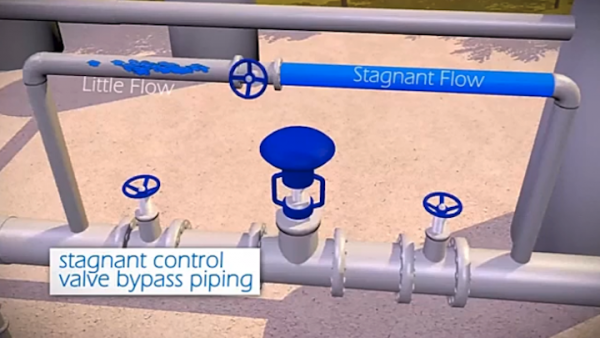
Dead legs pose a substantial threat to piping integrity as they are especially prone to contamination and corrosion. Tracking dead legs separately from the mainline piping should be done through controlled procedures at operating facilities.
Inspectioneering and Pinnacle co-hosted the 7th bi-annual Meeting of the Minds with a select group of mechanical integrity experts from across the industry. The meeting focused on piping RBI and the challenges operators are facing implementing it.
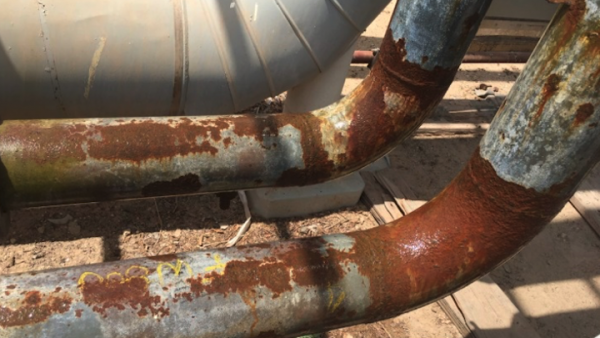
This article discusses how composite materials can be used to mitigate light CUI damage and/or repair and restore structural strength to the affected piping system.
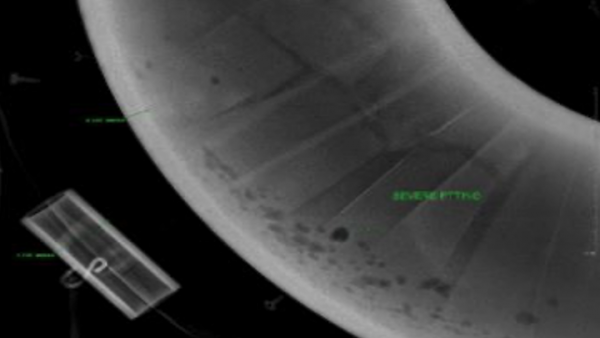
This article illustrates the value of digital radiography as an efficient tool to visualize corrosion and other small bore piping anomalies without disturbing insulation, as well as using PRT in conjunction with UTT to survey small diameter lines.
Practical steps to mitigate corrosion under insulation (CUI) damage on fixed pressure equipment and commentary on common mitigation techniques and good engineering practices for external insulation or fireproofing system design and application.

Are you truly prepared for your next Turnaround? Effective work processes are required to successfully plan, manage, review and supervise plant turnarounds. Inspection planning and work scope selection are critical aspects of any turnaround...
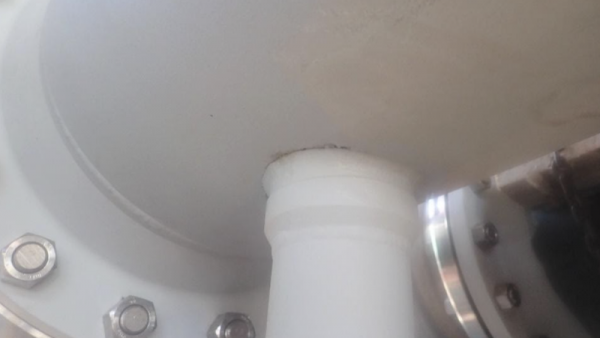
This article provides insights into the AIV damage mechanism, reviews approaches to calculate the probability of AIV failure in piping, provides design practices to prevent AIV failure, and introduces a RBI approach to evaluate risk of AIV failures.
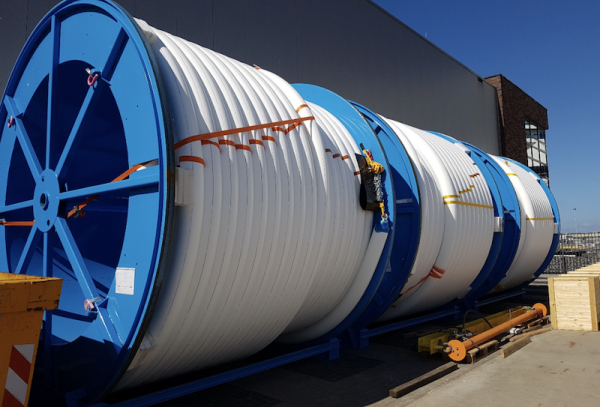
Globally accepted FFS procedures for non-metallic components, such as reinforced thermoplastic pipes, do not exist. There may be opportunity in adapting existing procedures for metallic components and their damage mechanisms to composite components.
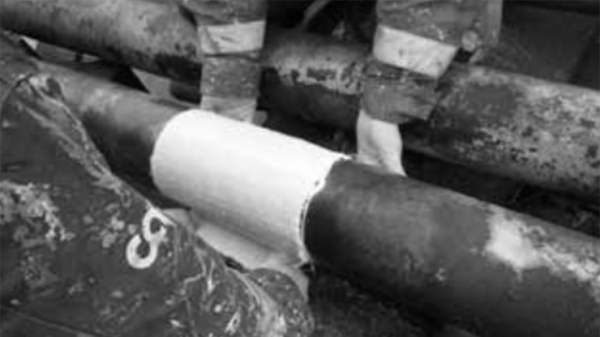
Restoring process piping within a short time frame requires an innovative approach. This article discusses how a repair using composite materials proved to be successful and enabled a quick return to operations.
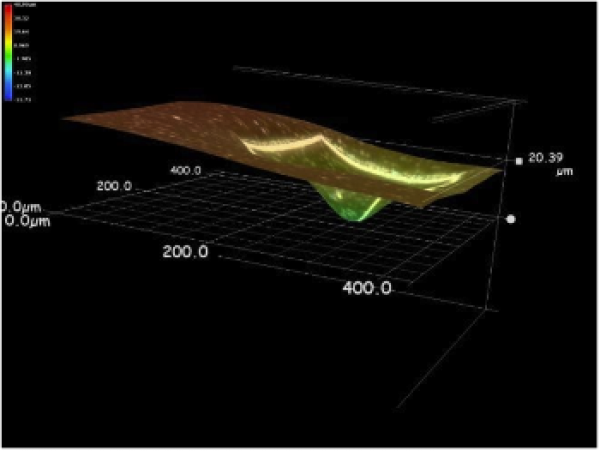
Field hardness tests can provide valuable information when evaluating piping and pressure vessel anomalies. This article summarizes laboratory examinations designed to gain a better understanding of UCI hardness test results taken in the field.
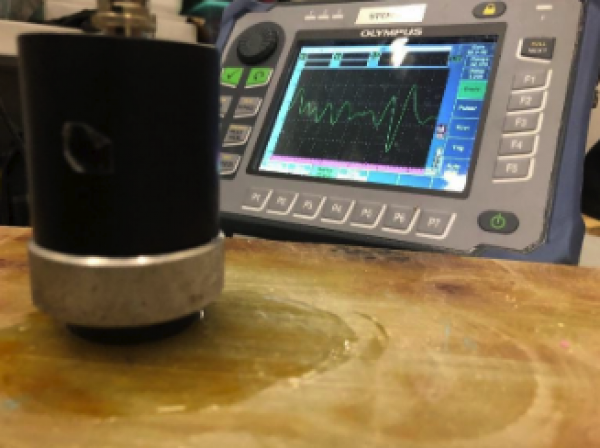
This article describes the construction of corrosion-resistant fiber reinforced polymer (FRP), commonly used for pressure vessels and piping in the chemical processing industry, and the practices used for inspecting corrosion-resistant barriers.
TEAM provides full inline, onsite and, shop valve repair services and maintenance programs for virtually all valve types, brands, sizes, materials, pressures, and operating conditions, including actuators and operators. Our valve repair solution...
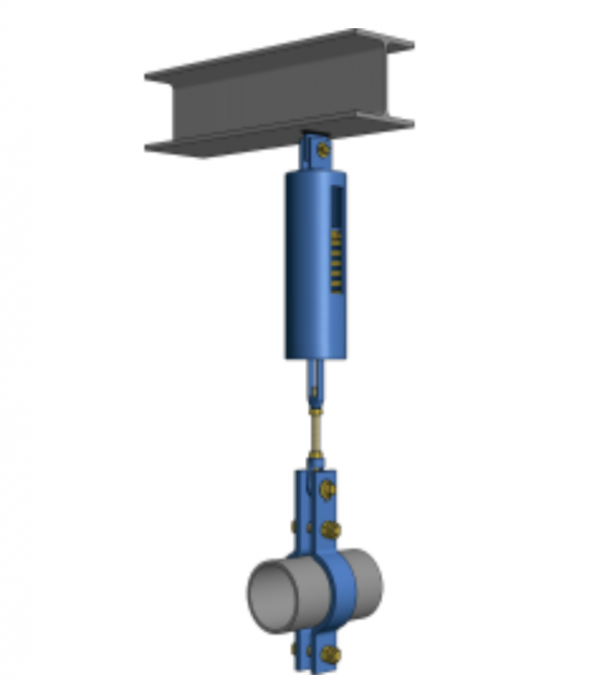
The health of piping and piping supports is critical to processing facilities, however there are very few facilities where a documented inspection program exists for spring supports. This article outlines some issues surrounding spring supports
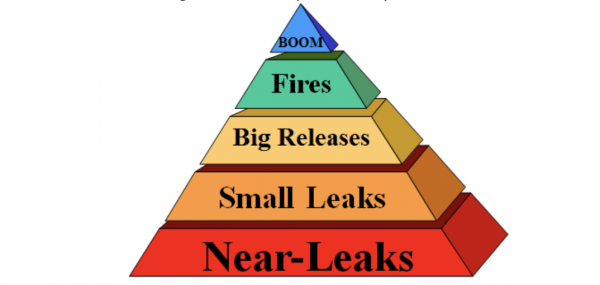
Everyone wants fewer leaks and failure of their equipment and piping; but I find very few sites that effectively use one method to make substantial reductions in their piping leaks and failures.
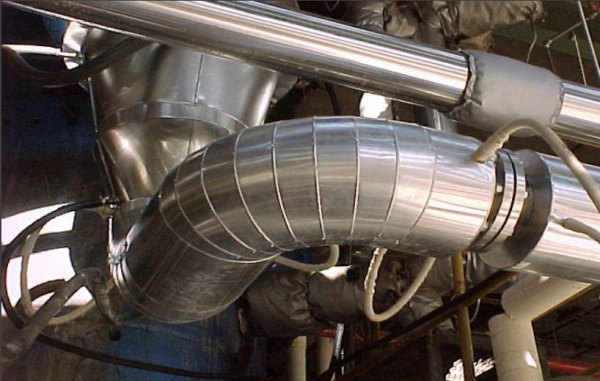
There are inspection requirements in many construction disciplines, including electrical, welding, coating, and the list goes on, but not for mechanical insulation. The need for a certified mechanical insulation inspection program is long overdue.
Here is four-step process for developing effective and efficient piping management strategies that can help optimize costs, refocus resources, and reduce risk.
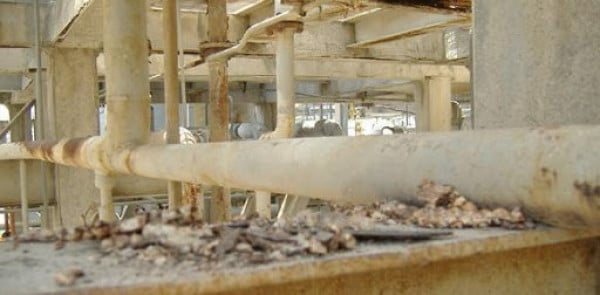
While planning methods for thickness data acquisition in any Inspection Data Management Program, PRT should be considered as a cost-efficient, effective way to increase the value of your program for small bore piping or any other suitable situation.
Statistical techniques are meant to complement the work of SMEs and can provide deeper insights into the inspection data collected as part of a reliability program. Pinnacle has combined traditional methods, expertise, and Machine Learning to...
Over the last six months, Inspectioneering has released a plethora of interesting and educational content that has been read more than 150,000 times online. In case you missed it, here's a recap.
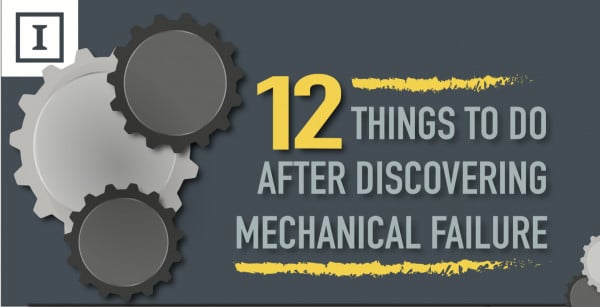
What do you do when you first discover a mechanical failure? Maybe your pipe sprang a leak, a drive shaft snapped, or a welded joint fractured, and you need to find out why. This infographic details some steps you can take to avoid critical mistakes.
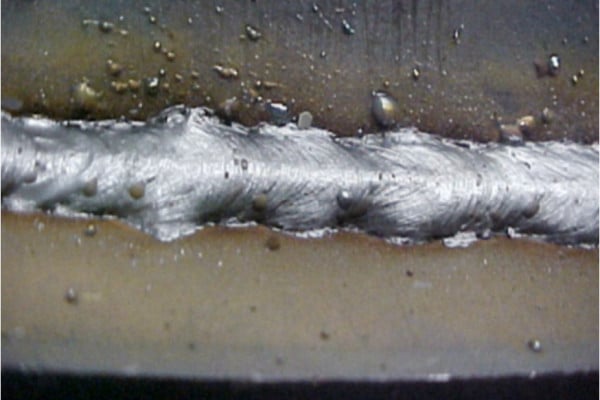
Welding imperfections vary in impact from being acceptable to requiring repair. It is important to ensure the quality of welds using NDT and to ensure the strength of the entire piping system with hydrotesting.
The distinction between primary and secondary loads is certainly important in analysis of pressure systems. But this distinction is also important for plant operations and reliability engineers to keep in mind when dealing with day-to-day problems.
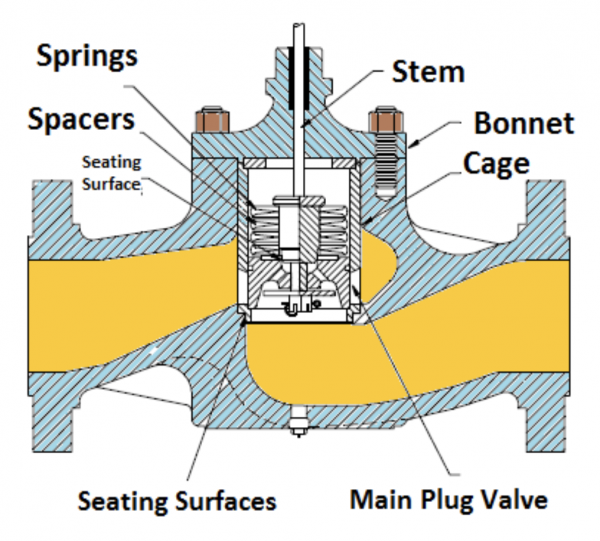
According to API 570, facilities must have a mechanical integrity program in place for critical check valves. But what criteria determines whether or not a check valve is critical in your process? How should check valves be inspected and by whom?
Pinnacle's data-driven reliability framework ensures the right data is fueling the right intelligence, helping you make confident, strategic decisions.
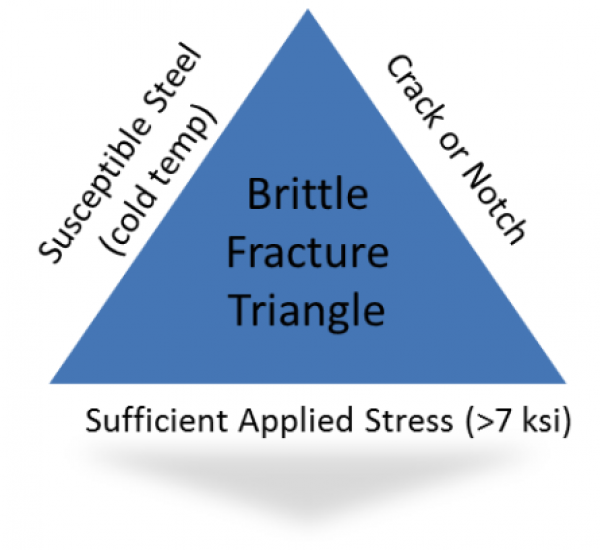
There is concern in the industry over recent findings of reduced toughness fittings and flanges at risk of brittle fracture. This article provides an overview; possible contributors; measures taken to address; and a proposed FFS approach to address...
Implementing RBI for process piping can be a very tedious and lengthy exercise, especially for major process plants with thousands of feet of interconnected piping. This article shares the experience of ADNOC LNG following a structured RBI approach...
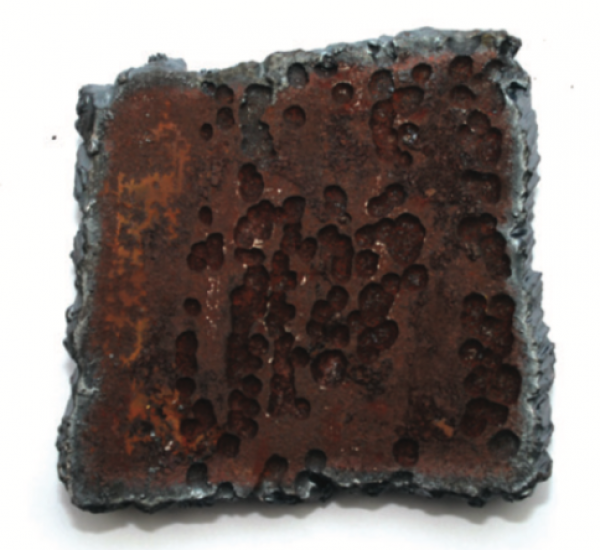
The actions you take immediately after a failure are critical in understanding the cause and appropriate steps to remedy the problem. However, the wrong moves might prevent you from getting the answers you need.
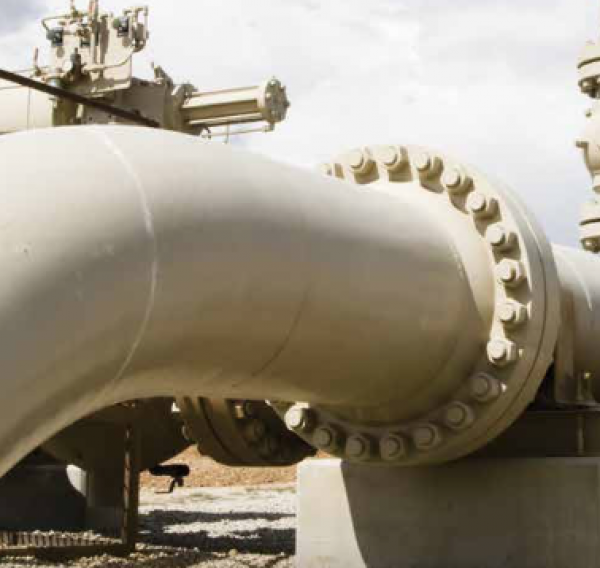
Failure analysis of piping that has experienced corrosion damage provides operators with valuable information needed to prevent future failures. Effective processes and procedures are essential when investigating the cause of corrosion on pipelines..
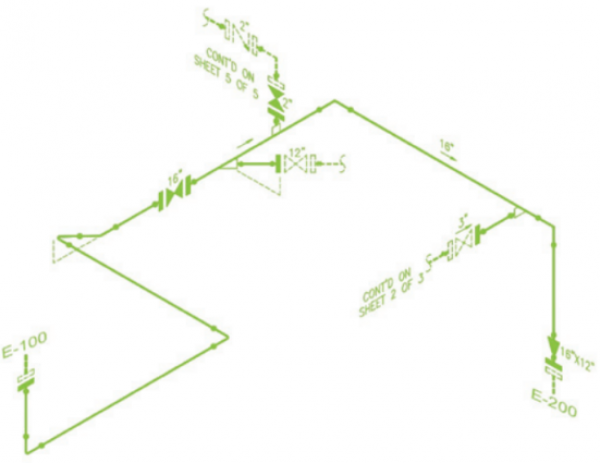
Effective condition monitoring location selection is a key component of a best-in-class mechanical integrity program. Learn how moving beyond traditional qualitative approaches to optimized CML selection can reduce risk and maximize the value of...
Download Pinnacle's Economics of Reliability Report - Refining to see how reliability is affecting profitability.
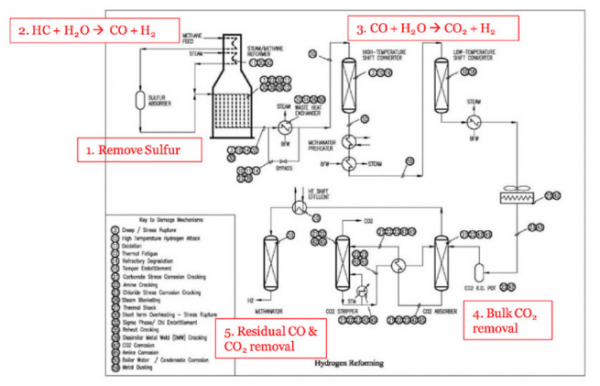
This article discusses the use of the RBI methodology supplemented by a well-designed IOW program to assess and manage aging in fixed equipment and piping in hydrogen generation units.

Evaluating remaining wall thickness of an asset is not enough to ensure its continued safe operation. Proactive strategies should be implemented to assess the entire environment affecting an asset’s condition, including the development of more...
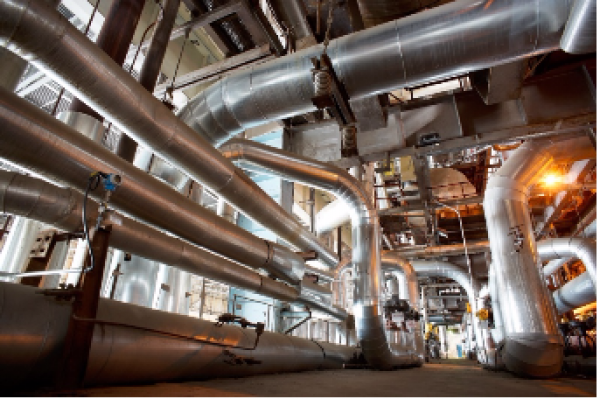
Beyond the financial hits, undetected degradation from corrosion can also lead to critical safety risks. To effectively manage mechanical integrity, organizations need reliable methods of identifying the current states of corrosion occurring within...

This article describes a high-level dead leg integrity management program overview and is based on experience, knowledge, and adaptation of inspection management philosophies currently being implemented within the Oil & Gas and the petrochemical...
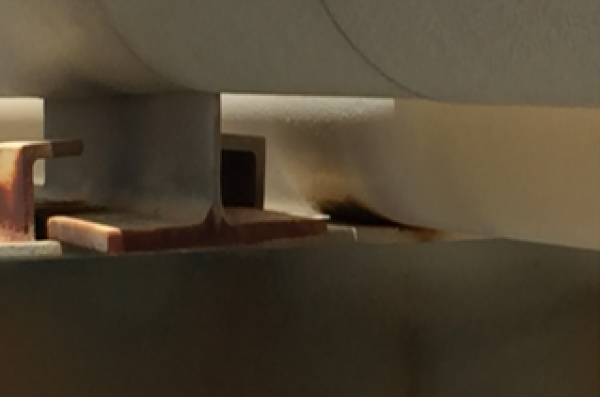
This article will go through the methodology of each process that could be used in determining the structural component for the required pipe wall thickness, but will focus on the use of Beam Flexural Stress calculations and Beam Deflection...
Traditional, paper-based inspection processes can prevent plants from being as effective as they can be. By digitalizing your mechanical integrity process and data with MISTRAS Digital®, plants have realized up to 75% gains in IDMS data entry and...
This article exhibits how modern inspection methodologies combined with innovative computational analysis practices demonstrate the value of conducting fitness-for-service (FFS) assessments on sectional piping.
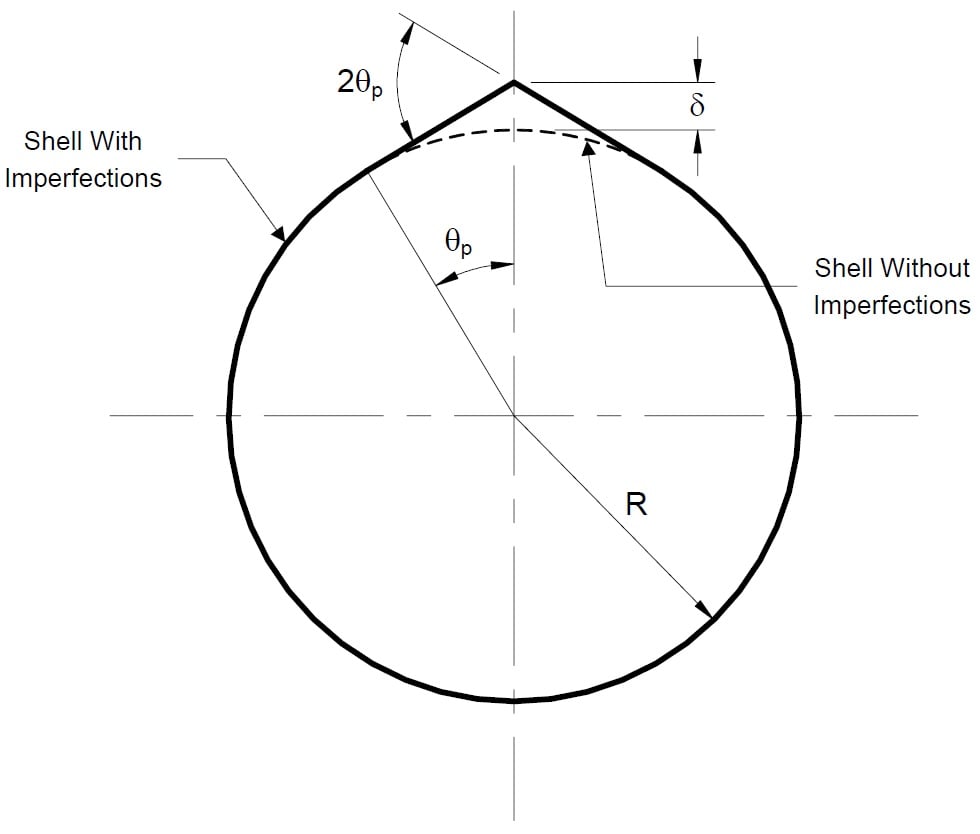
This article summarizes a recent finite element analysis (FEA)-based study that employs creep simulation techniques to investigate the elevated temperature response of piping with peaked longitudinal weld seams.
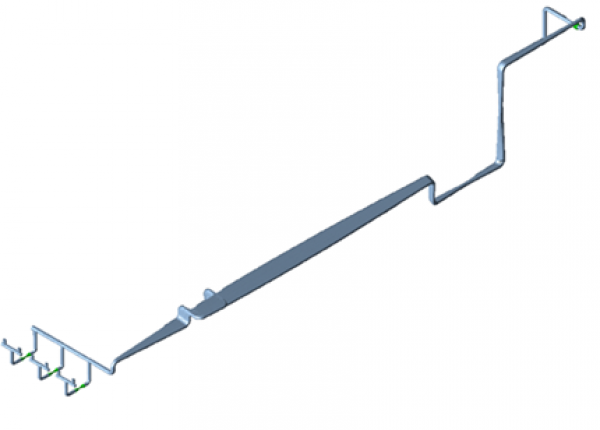
An overview of process piping vibration and evaluating piping systems in vibration service to reduce harmful vibrations.
Updated editions of both API 570 and API RP 580 were recently released by the American Petroleum Institute.
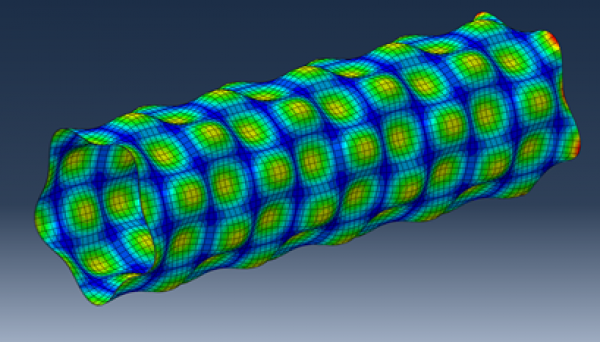
Excessive vibration is a problem frequently encountered in industrial plants and their peripheral equipment, including piping systems, pressure vessels, and steel structures. Long term excessive vibration can lead to fatigue crack propagation and...
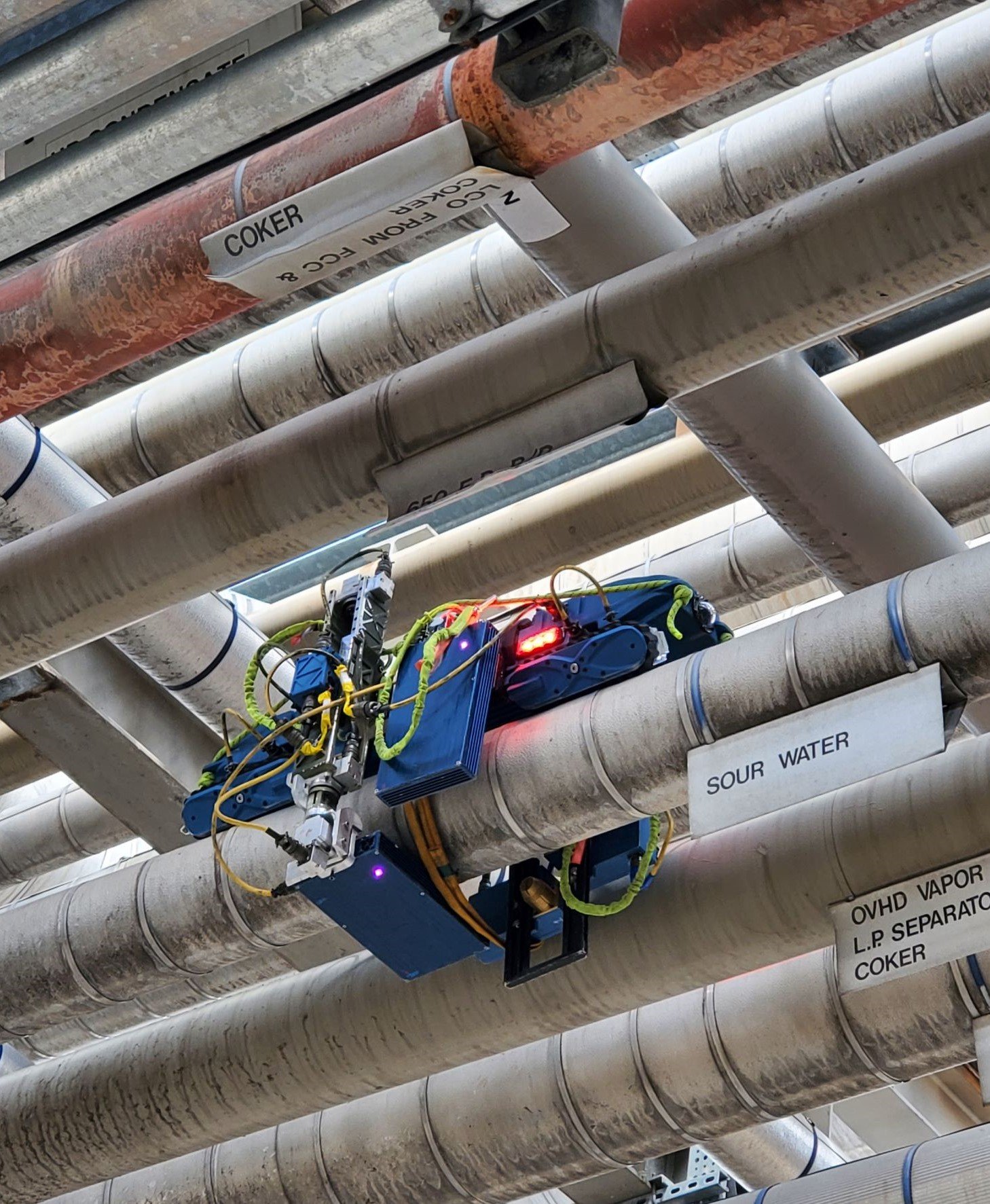
Traditional inspection methods used to detect internal corrosion and corrosion under insulation (CUI) in piping and pipeline assets can be time-consuming and costly. With ART, you’ll discover CUI detection best practices that can help save you up...
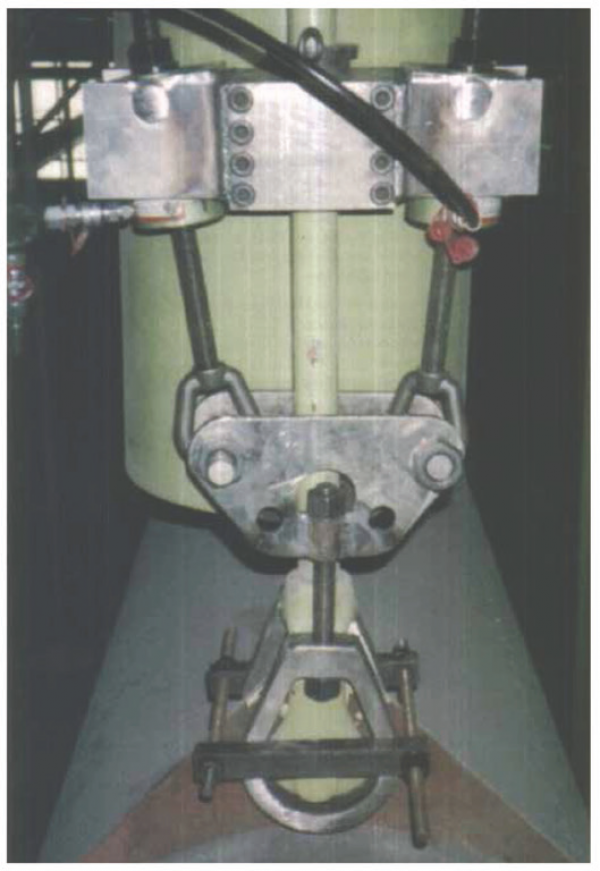
This article introduces portions of a “Best-In-Class” Fitness-for-Service (FFS) program that includes the performance of regular visual inspections of pipe supports and hangers, coupled with in-situ load testing of suspect supports. This...
In recent years, the growing use of composite repair systems for the rehabilitation of piping systems in the refining and chemical industries has increased the need for associated technologies for their manufacturing, installation, and inspection....
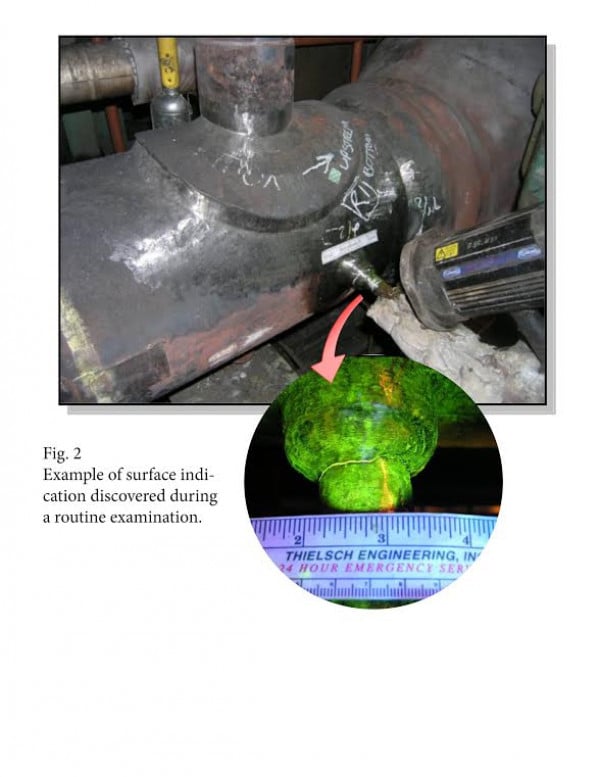
Avoiding cracking under pressure when managing high-energy piping systems is common subject matter in the power industry. Just as high-energy piping can give way to pressure, stress and fatigue, so can the people in charge of operating them when...
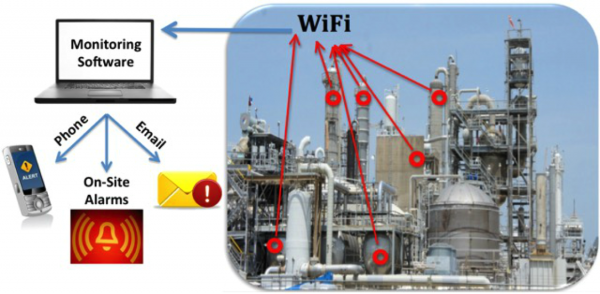
The future of inspection will be based on predictive and proactive technologies that effectively monitor material properties of structures and systems over their entire service life.
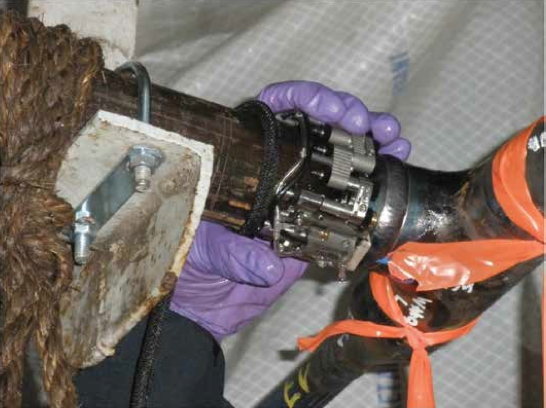
The introduction of PAUT is a challenging effort initially, but can have a very positive impact on your first TAR and become a routine inspection for future TARs. When fully implemented, radiation safety boundaries can be reduced significantly or...
With class-leading thermal performance, superior CUI defense, and complimentary engineering support, our aerogel insulation solutions are a top choice in helping facilities drive energy efficiency, improve safety, increase yields, and reduce downtime
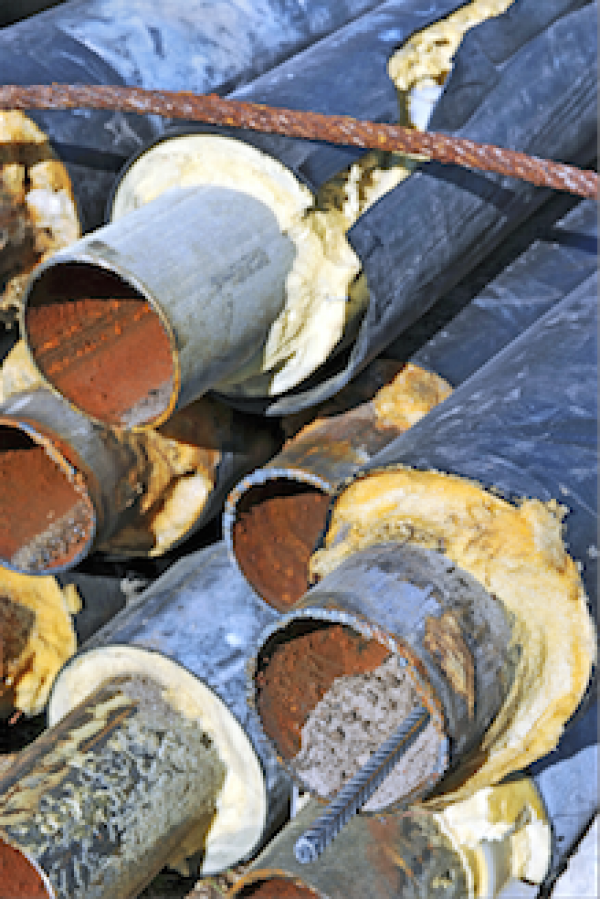
Corrosion Under Insulation (CUI) is an insidious damage mechanism that, despite being incredibly well-known and understood, still makes up an inordinately large percentage of global maintenance expenditures. CUI has been extensively researched and...
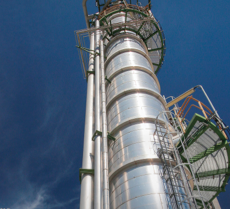
Based on my 45+ years of experience working with fixed equipment mechanical integrity (FEMI) issues in the refining and petrochemical processing industry, this article summarizes what I believe are the top 10 reasons why pressure vessels and piping...
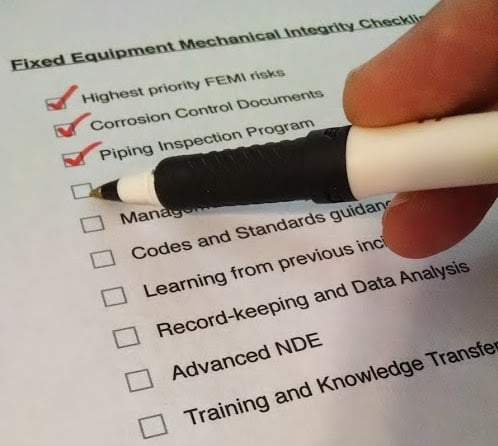
Fixed equipment mechanical integrity (FEMI) failures are not caused by damage mechanisms; rather, they're caused due to failure to create, implement, & maintain adequate management systems to avoid failures. Nearly all failures that have occurred...
In 2013 Inspectioneering published content covering a wide array of topics, from risk-based inspection, to advanced nondestructive testing methods, to pipeline integrity management systems. Last year, we published more content than any year prior;...
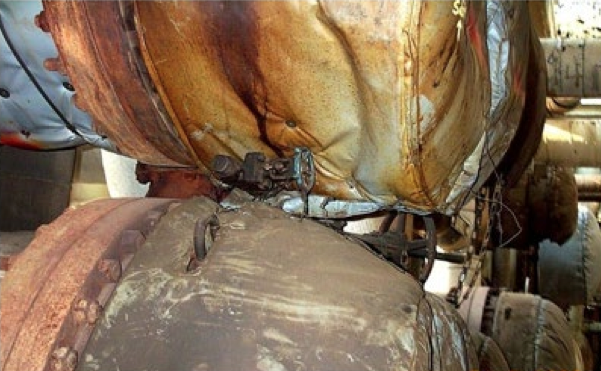
Small bore piping is present in many variations throughout numerous industries. This article will address an incident involving a small bore piping failure that occurred on a 140,000 BPD crude distillation unit in the refining industry.

Oceaneering's splash zone inspection services will help you confidently detect flaws and accurately extend asset life with our comprehensive inspection and fitness-for-service maintenance plans.
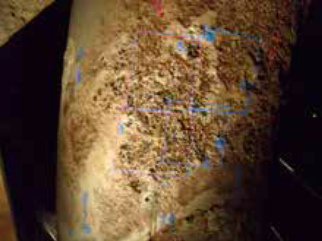
Composite repair systems can be a great option for owner/ operators to extend the life of their assets without disrupting operations.
This article is the fifth of a series of articles that will focus on one critical sub process within a PEIP that is key in managing the integrity of process piping; Thickness Monitoring Programs for Internal Corrosion.
Inspection and fitness-for-service assessments of critical in-plant piping systems are a concern for the chemical industry. This presents a potentially insurmountable task and discovery of a number of areas where the condition is at risk.
Piping failures still represent a frustrating and ongoing problem for processing plants. Failures are still commonly reported and contribute to large losses. In the author’s experience, piping represents the highest percentage of fixed equipment...
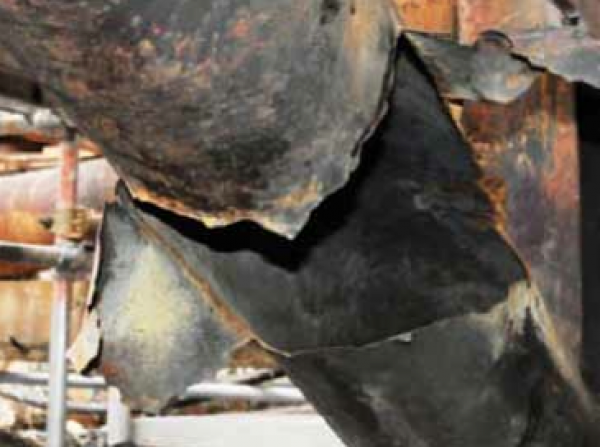
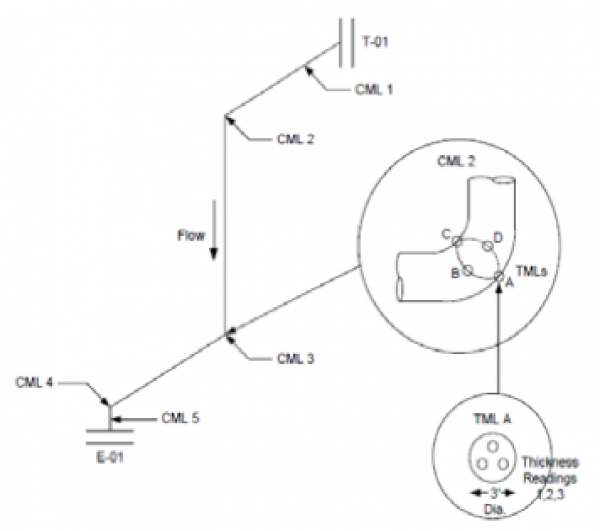
This article is the third of a series of articles that will focus on one critical sub process within a PEIP that is key in managing the integrity of process piping: thickness monitoring programs for internal corrosion. These articles will discuss...
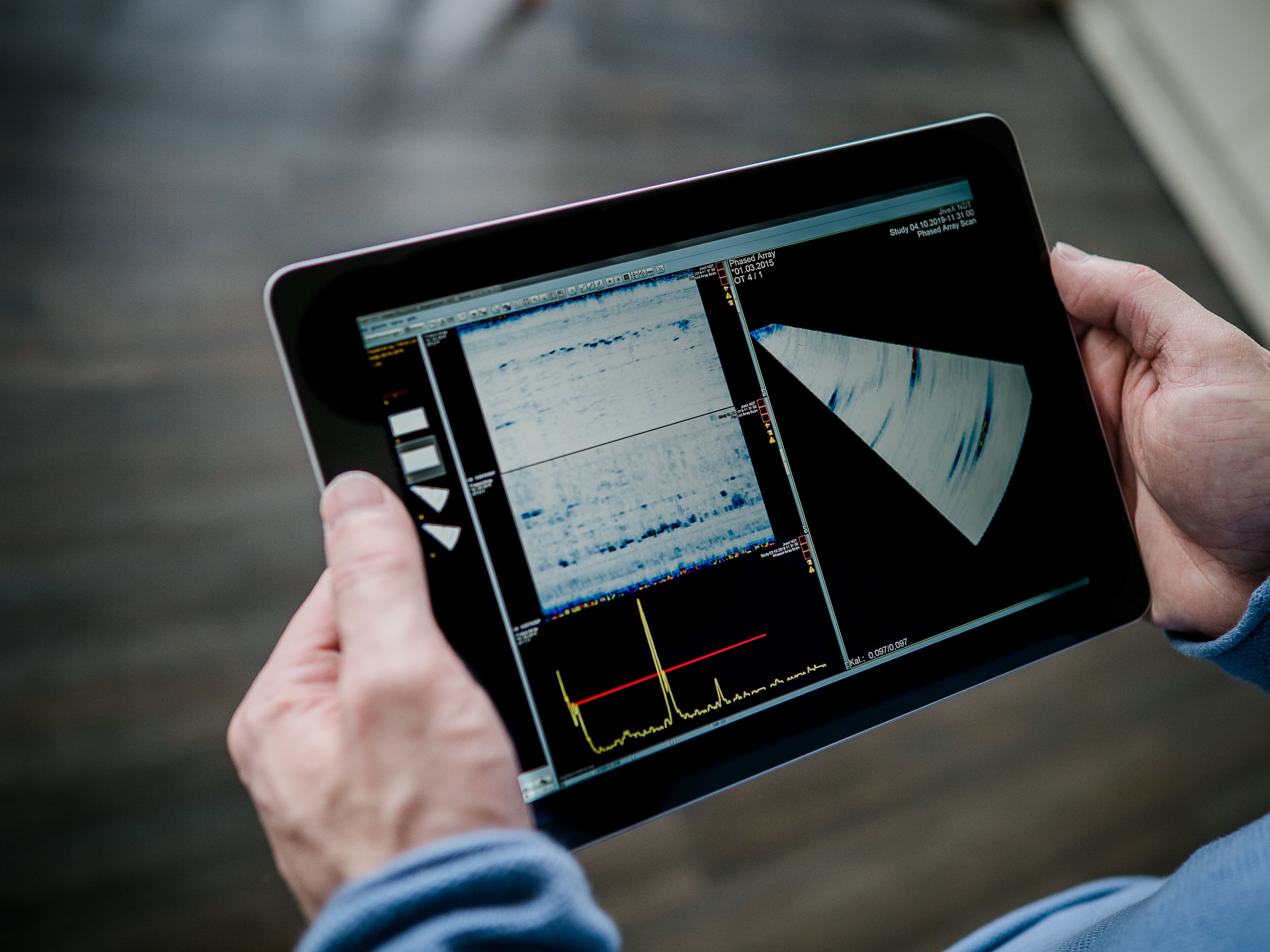
Contact us at buddy@dimate.de to learn how DIMATE PACS digitizes NDT methods (RT, UT, VT, ...) and how it leads to paperless inspections.
Piping failures still represent a frustrating and ongoing problem for processing plants. Failures are still commonly reported and contribute to large losses. In the author’s experience, piping represents the highest percentage of fixed equipment...
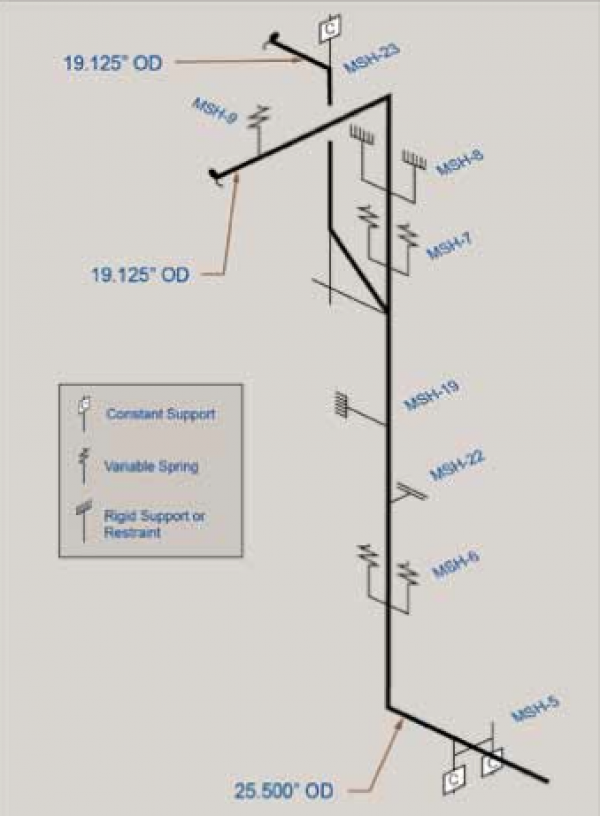
An all too familiar scenario in power plants is one in which an inspection finding occurs late in an outage and consequently, the return to service date may need to be postponed to allow time for corrective action. Historically, cracks or thinned...
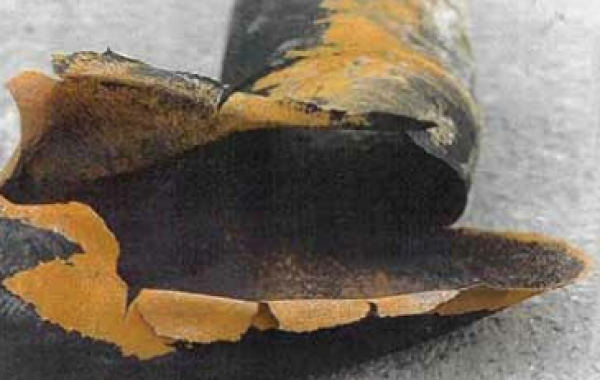
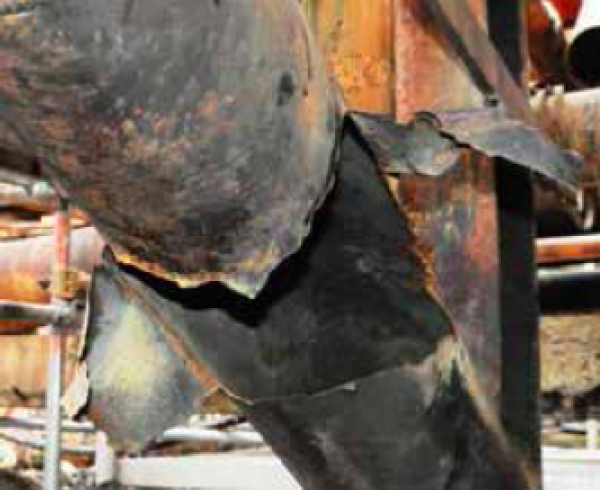
Piping failures still represent a frustrating and ongoing problem for processing plants (example in Figure 1). Failures are commonly reported and contribute to large losses. As well per the author’s experience, piping still represents the...
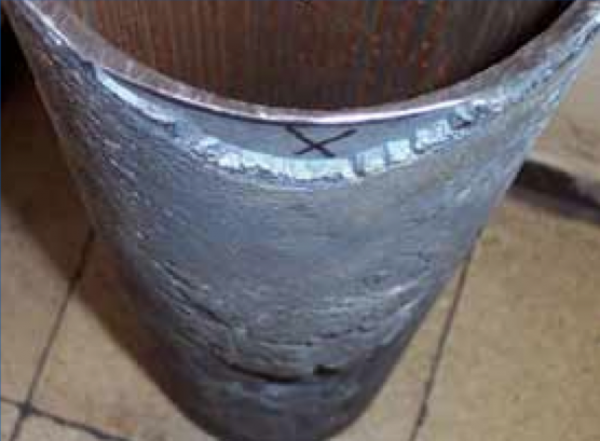
The refining industry has applied ultrasonic-based intelligent pigging to inspect serpentine coils in fired heaters since the 1990s. Today, thousands of serpentine coils in fired heaters are inspected annually at process facilities around the globe.
On August 6, 2012, a piping failure occurred in the #4 Crude Unit at the Chevron U.S.A. Inc. refinery in Richmond, CA. Chevron U.S.A. would like to share some potentially significant preliminary information regarding the incident.
Companies have developed detailed programs for managing wide range of assets. However, unsustainability negatively impacts effectiveness of these programs. Reach out to us on how we can address sustainability through digital transformation.
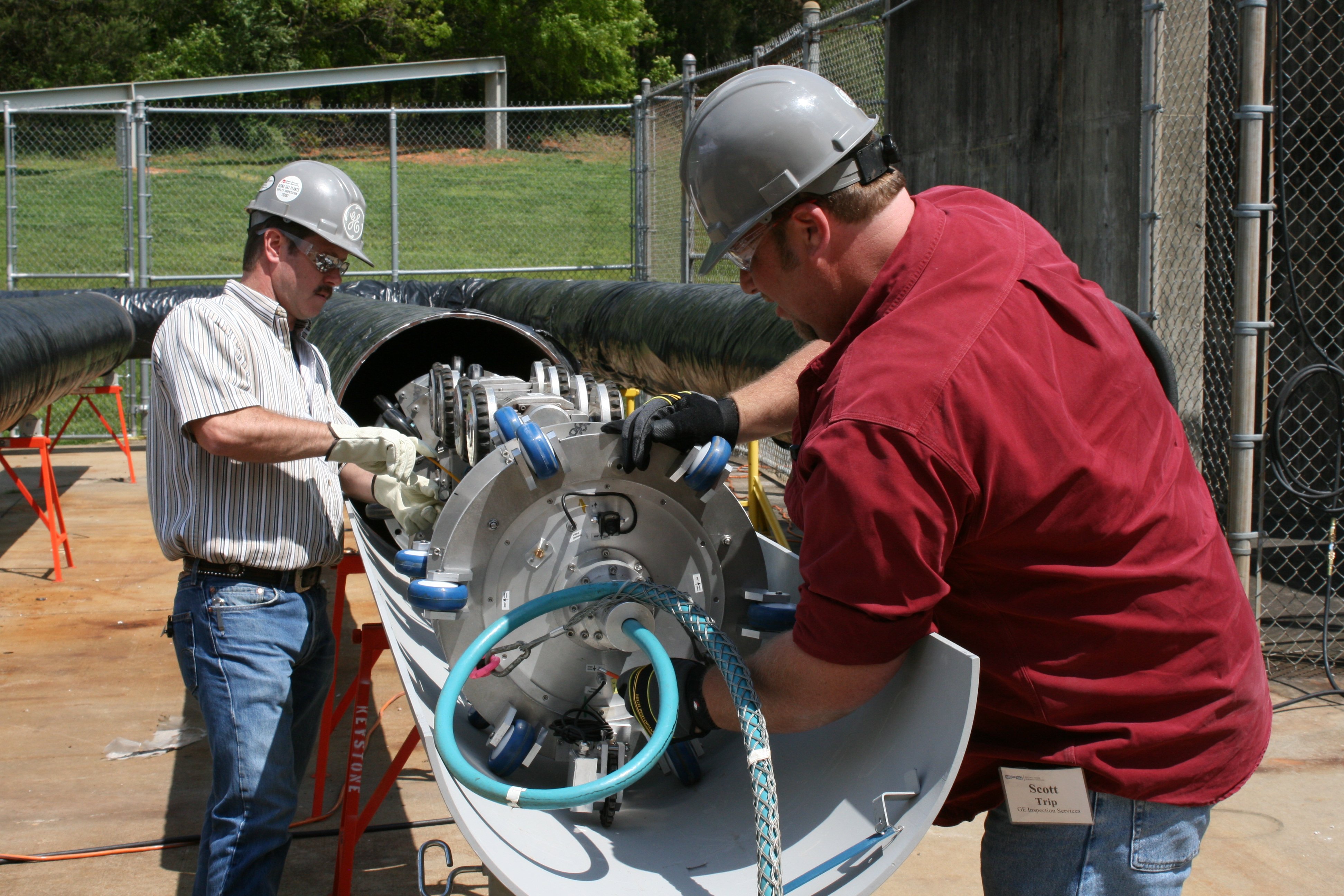
A self-propelled in-line inspection tool tested at Electric Power Research Institute and utilized in Europe can traverse a complex piping configuration and discriminate areas of metal loss. This tool is becoming available to inspect traditionally...
Leaks or spills over the life of nuclear power plant operation can lead to undesirable consequences. The nuclear industry’s GroundwaterProtectionInitiativeandthelessonslearnedand experiences gained from implementing groundwater protection...
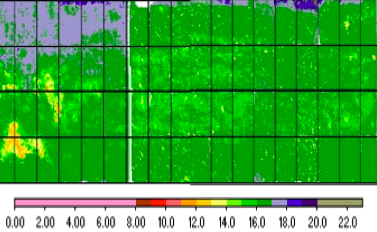
Inspection intervals for equipment have in the past been defined in a prescriptive manner. However, industry is now embracing the Risk Based Inspection (RBI) approach which in contrast prioritises inspections based on an assessment of the risk to...
The Inspectioneering Journal Discussion Forum is a great storehouse of knowledge and experience for people involved in fixed equipment reliability. A few samples of discussions follow, to motivate you to participate.
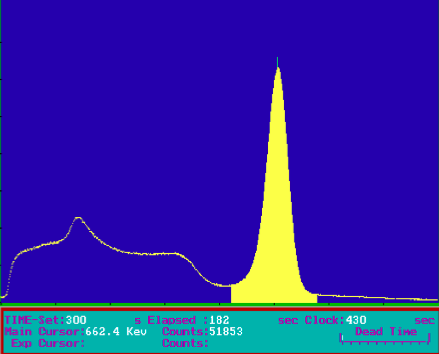
Degradation of materials with time during service is a common phenomenon for all engineering components. Hence periodic inspection is required to ensure structural integrity and availability for service. During in-service inspection (ISI), wall...

With the IMS Suite, you can calculate optimal intervention periods and lay out efficient maintenance strategies. Click here to learn more.
NACE International has approved two highly anticipated standards dedicated to the control of internal pipeline corrosion.
After a pressure equipment or piping failure, it’s not uncommon to find out during the failure analysis part of the investigation that the failure initiated at a welding flaw of some sort.
Once the microwave inspection method was determined to be capable of providing reliable and meaningful inspection results for defects located on the exterior, interior, and interior surfaces of non-metallic components, potential industry...
The impetus for the development of LRUT is that ultrasonic thickness checks for corrosion, erosion, etc. are localised, in that they only measure the thickness of the area under the UT transducer.
Next year, the API Inspector Recertification Program (ICP) will be recertifying inspectors who have held their API certifications for more than 6 years. Things have changed this time though, and inspectors will be required to pass a short exam...
Learn how you can safeguard integrity, reliability, instrumentation safety, and more.
During the past two years, a new High Resolution Gamma Ray Detector Array System to detect and measure small corrosion pits in real-time in the inservice piping in process industries, has been in development. This High Resolution Gamma Ray...
This failure mechanism is unfortunately all too common in our industry. It's also known as stress rupture, and it is usually entirely preventable by proper maintenance and operating procedures. It occurs when equipment, piping or furnace tubes...
This article describes a new inspection technology for rapid, on-stream,quantitative examinations of piping under support areas. This portable production system has been in commercial operation in the major U.S. Gulf Coast refineries for the past...
Part 5 of this article continues to outline the 101 essential elements that need to be in place, and functioning well, to effectively and efficiently, preserve and protect the reliability and integrity of pressure equipment (vessels, exchangers,...
This paper outlines the 101 essential elements that need to be in place, and functioning well, to effectively and efficiently, preserve and protect the reliability and integrity of pressure equipment (vessels, exchangers, furnaces, boilers, piping...
EMATs (Electromagnetic Acoustic Transducers) have been used for over six years for field service inspection of in-service piping. Recent advances in technology have allowed us to inspect new types of on-stream piping.
One of the greatest challenges facing many of refining, fossil power, and pulp and paper industries is: How to effectively examine their insulated piping?
We have been asked many times by existing and prospective users of PCMS (a computerized, inspection database management system), how many TMLs (Thickness Management Locations) should be installed per piping circuit. These inquiries must be addressed...
This is the fourth in a series of articles on piping inspection that I'm writing for the Journal. One of the previous ones dealt with improving thickness data taking accuracy with digital ultrasonic methods. This article is a "sister article" that...
In the Jan/Feb issue of the IJ, I mentioned how important the Management of Change (MOC) process is when it comes to maintaining safe, leak-free piping systems; stating that we in the inspection business cannot do it alone; that is, we taint the...
This is the second in a series of articles on piping inspection. In the last article, I enumerated four inspection issues that I believe contribute to inadequate piping mechanical integrity in the hydrocarbon process industry.
It's probably more important to those of us who don't have a brain tumor. Unfortunately, it's precisely because piping inspection is not neurosurgery that it's often done poorly, which can lead to significant impacts on process unit reliability, or...
There are a number of terms to describe commonly experienced problem conditions with reciprocating compressors. One of the terms that I have always appreciated is the pendulum action of a large unsupported mass on the end of a vibrating pipe.
This final issue on gusset problems will discuss why gussets are "stiffeners" rather than "strengtheners." The effective load bearing capacity of a member of given strength is based upon how large a cross-sectional area is carrying the load....
Last issue, in keeping with the evaluation that "gussets are stiffeners, not strengtheners," we discussed welding around the ends of the gusset plate instead of just along the sides in order to reduce the stress concentration. A further improvement...
A key to any piping evaluation program is to understand where problems can occur. Vibrating piping can propagate a crack relatively quickly. Have you ever installed gussets to stabilize a vibrating pipe situation only to find, shortly thereafter,...
For reason of economy, the hot reheat pipework in many US power plants is fabricated from seam-welded low chrome-moly carbon steel spools. Unlike girth butt welds, where the critical weldment microstructures can off-load stress to the stronger...
High energy piping (HEP) systems, main steam lines and hot reheat lines (typically low chrome molydbdenum steels), are susceptible to creep damage. Such damage can lead to leaks, and in extreme cases, catastrophic failure.
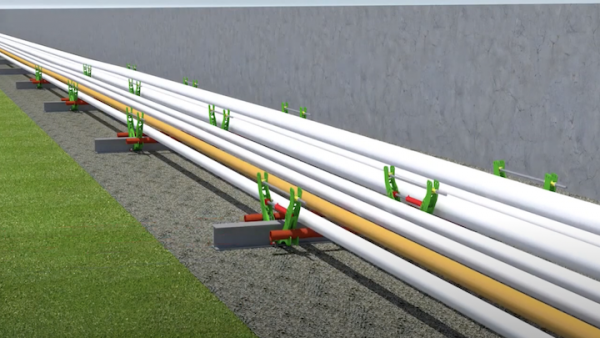
This turn-key approach to engineered on-stream line lifting eliminates the need for operators to deal with multiple contractors, ensuring seamless integrity management of critical assets.
In this webinar, the presenters walk through a four step process to develop effective and efficient asset strategies for piping to optimize cost, refocus resources and reduce risk.
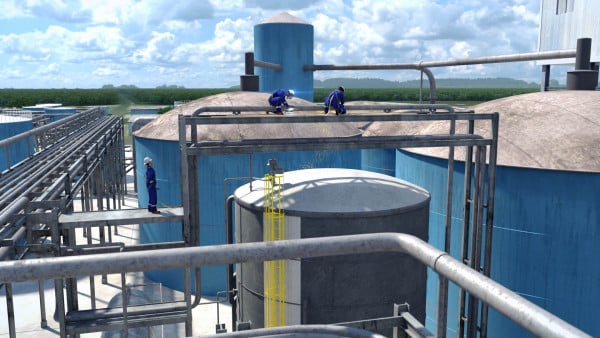
The CSB has released an animation detailing the events leading up to the February 8, 2017 explosion at the Packaging Corporation of America's DeRidder, Louisiana, pulp and paper mill. The incident killed three contract workers and injured seven.
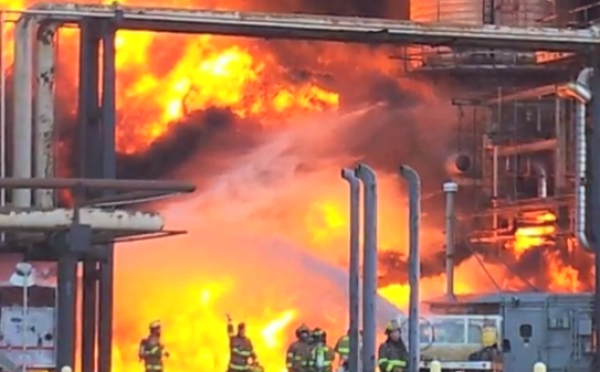
The U.S. Chemical Safety Board releases an animation of the August, 2012 incident at Chevron's Richmond, CA refinery.

This course offers an understanding of the key recognized and generally accepted good engineering practices (RAGAGEPs) for the design and inspection, testing, and preventive maintenance (ITPM) of fixed equipment.
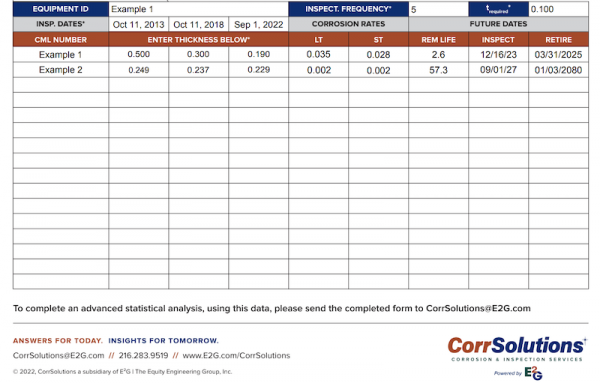
Using this interactive corrosion rate form, you can automatically calculate the short- and long-term corrosion rates, remaining life, next inspection, and retirement dates for your piping circuits.

ASME and dmg events announced a collaboration that combines the International Pipeline Conference and International Pipeline Exposition into one cohesive event.
API has released updated fifth editions of API 570 and RP 574, two foundational standards for safeguarding piping systems used in the global refining and petrochemical industries.

Team, Inc., a global leading provider of integrated, digitally-enabled asset performance assurance and optimization solutions, announced today the commercial launch of its proprietary double block and bleed SmartStop™ Isolation Technology.

Industrial plants are asking to access more equipment for inspections by robots, particularly piping systems. Gecko Robotics has designed the TOKA Flex - their most maneuverable and adaptable robot to-date - to address this need.
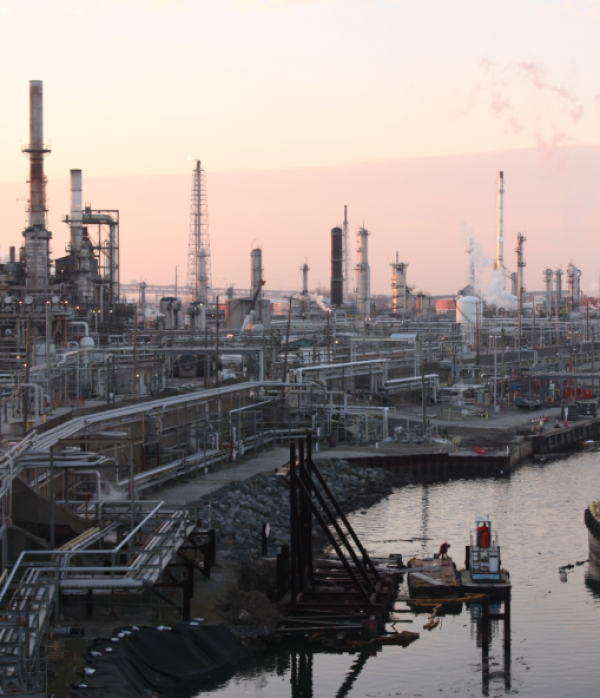
The bankrupt former operator of the Philadelphia refinery has blamed the supplier of an allegedly mislabeled elbow section of pipe for the 2019 blast that led to the permanent closure of PES.
Oceaneering's splash zone inspection services will help you confidently detect flaws and accurately extend asset life with our comprehensive inspection and fitness-for-service maintenance plans.
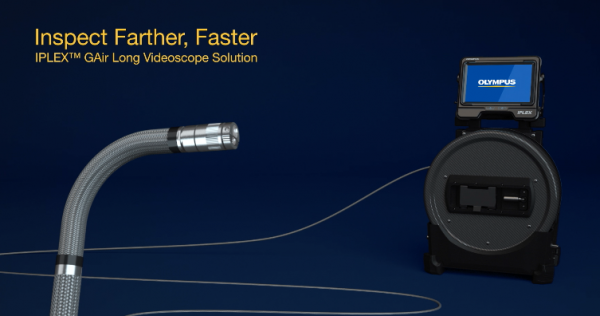
Enabling fast, easy and accurate long-distance inspections, Olympus' IPLEX™ GAir long videoscope solution combines maneuverability with high-quality, wide-view images to make complex pipe inspections fast and efficient.

The Equity Engineering Group, Inc. (E2G) has been given exclusive rights for SIMFLEX-III, Pipe Stress Analysis Software. SIMFLEX-III will complement proprietary programs to meet current industry needs and ensure compliance with newest regulations
The U.S. Chemical Safety Board (CSB) has released an animation detailing the events leading up to the February 8, 2017 explosion at the Packaging Corporation of America's DeRidder, Louisiana, pulp and paper mill. The incident killed three contract...
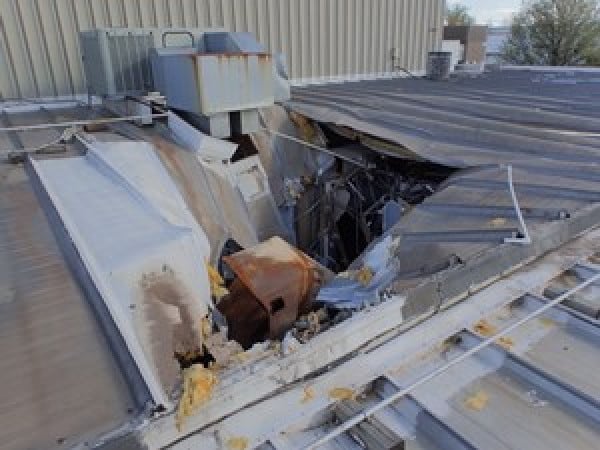
The U.S. Chemical Safety Board’s (CSB) three-person investigation team arrived onsite at the Loy-Lange Box Company to begin its assessment on Thursday April 6th. Since arriving on site the following activities and analysis have been conducted

An ongoing investigation by the U.S. Chemical Safety Board (CSB) of the November 15, 2014, toxic chemical leak that killed four workers at the E. I. du Pont de Nemours insecticide plant in La Porte, Texas, has uncovered flawed safety procedures,...
Traditional inspection methods used to detect internal corrosion and corrosion under insulation (CUI) in piping and pipeline assets can be time-consuming and costly. With ART, you’ll discover CUI detection best practices that can help save you up...
The U.S. Chemical Safety Board (CSB) will hold a public meeting on January 28, 2015, to present the third and final investigation report and safety recommendations from the August 6, 2012, crude unit fire that occurred at the Chevron Refinery in...
In its final Regulatory Report entitled "Regulatory Report: Chevron Richmond Refinery Pipe Rupture and Fire,” the U.S. Chemical Safety Board (CSB) proposes recommendations for substantial changes to the way refineries are regulated in...
A massive explosion and fire at the Silver Eagle Refinery on November 4, 2009, in Woods Cross, Utah, which damaged homes in a nearby neighborhood, was caused by a rupture in a pipe that had become dangerously thin from corrosion, the U.S. Chemical...
Quest Integrity Group introduces a new animation focused on the inspection and assessment of buried or inaccessible piping in nuclear facilities utilizing HYDRA™, an ultrasonic-based intelligent pigging technology.
Chevron U.S.A. Inc. has reviewed Anamet, Inc.’s technical evaluation of the piping samples taken from the Chevron U.S.A. Richmond Refinery following the August 6, 2012 incident.


